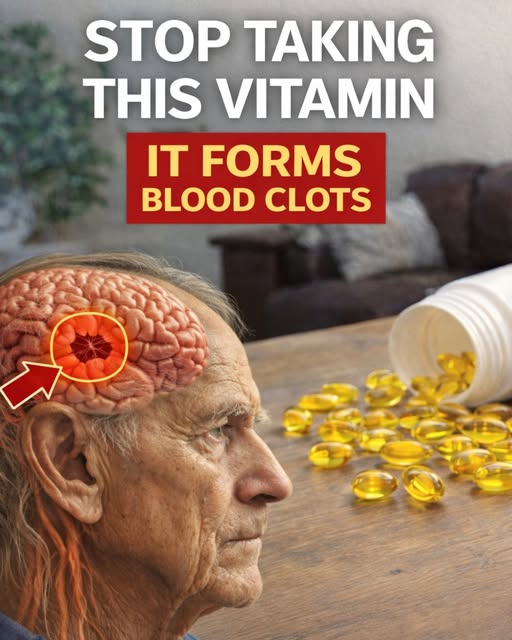
Vitamin E is a fat-soluble antioxidant found in foods like nuts, seeds, and vegetable oils. Many people take it as a supplement to support cell protection and immune function. It’s commonly included in multivitamins or standalone capsules marketed for heart and brain health.
However, large-scale reviews of clinical trials have raised questions about high-dose vitamin E supplementation. For example, meta-analyses of randomized controlled trials involving tens of thousands of participants have shown that vitamin E supplements may have mixed effects on stroke types. Specifically, they appear linked to a modest increase in the risk of hemorrhagic stroke (bleeding in the brain) while potentially offering a small reduction in ischemic stroke (blockage-related).
One key analysis of multiple trials found that vitamin E supplementation was associated with about a 22% higher relative risk for hemorrhagic stroke, though overall total stroke rates showed no major change. This pattern held across different doses and forms (natural vs. synthetic). The concern stems from vitamin E’s ability to influence platelet function and interact with clotting processes—effects that can become more pronounced in older adults with fragile blood vessels or those on medications like blood thinners.
But that’s not the full picture…