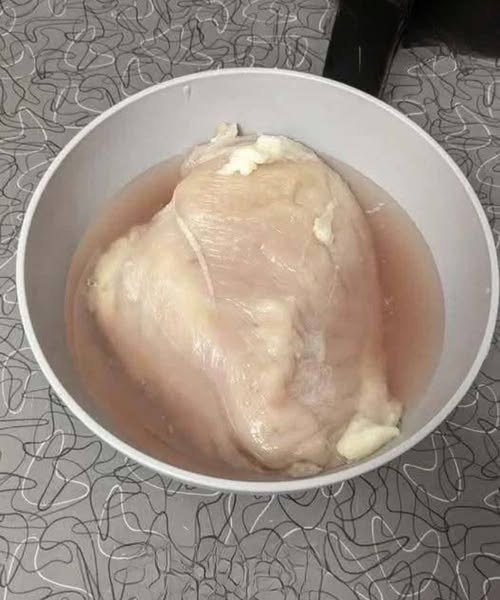
Food safety is one of those everyday concerns that often seems intuitive but can have serious consequences if misunderstood. The question of whether it's safe to eat chicken that's been out of the kitchen overnight might seem simple at first glance, but it opens the door to a deeper discussion about bacteria, risk perception, family health, and how people make food choices. In many households, situations like this spark debate: one person might rely on past experiences and say, "There's probably no problem," while another might feel uneasy and seek clearer information. When children are involved, the situation becomes even more complicated. Understanding the science behind food safety, rather than relying on guesswork or anecdotes, is essential for making informed and responsible choices.
To begin with, it's important to understand what happens to cooked chicken once it's left at room temperature. Chicken, like many protein-rich foods, provides an ideal environment for bacterial growth. Cooking food kills most harmful bacteria, but this doesn't mean the food is permanently safe. Once chicken begins to cool and is left at room temperature, it enters what food safety experts call the "danger zone," generally between 4°C (40°F) and 60°C (140°F). Within this temperature range, bacteria can multiply rapidly, sometimes doubling their numbers every 20 minutes. Leaving chicken out overnight, which usually means several hours beyond the recommended safe time, allows bacteria to grow to potentially dangerous levels.