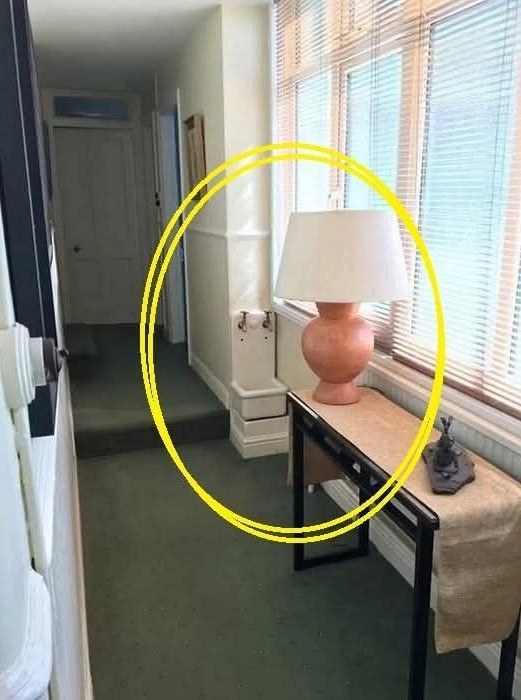
You’re touring a charming 1920s bungalow, marveling at the hardwood floors and crown molding—when suddenly, you stop dead in your tracks.
There, nestled in the hallway like a misplaced afterthought, is a tiny sink. No mirror. No toilet. Just porcelain and pipes, staring back at you from the middle of nowhere.
Your brain short-circuits: “Who on earth decided this was a good idea?”
You’re not alone. This quirky fixture has baffled modern homebuyers for decades—but the truth is far from random. In fact, it’s a stroke of practical genius from an era when hygiene, hospitality, and limited plumbing collided.
The Real Reason: It Was All About Clean Hands (and Social Etiquette)
In the early 1900s, most homes had only one bathroom—often upstairs, tucked away from public view. Kitchens were workspaces, not guest zones. And yet, guests arrived daily covered in coal dust, horsehair, street grime, or factory soot (remember: cars weren’t common yet!).
Sending every visitor upstairs to wash their hands before dinner?
Sending every visitor upstairs to wash their hands before dinner?
Awkward