What’s That White Stuff on My Salami?
A Love Letter to Cured Meats, Culinary Fear, and the Mold We’re Supposed to Eat
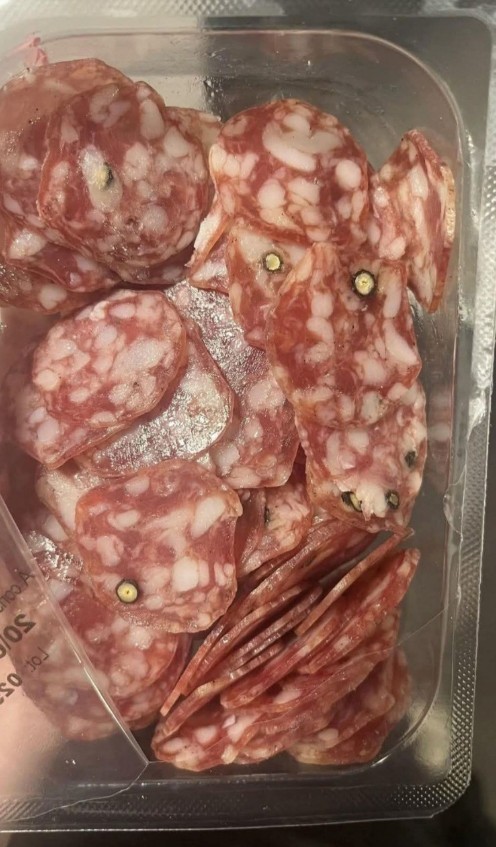
I was standing in a small Parisian charcuterie, jet-lagged and hungry, staring at a salami that looked like it had been left in a damp basement for several weeks. It was beautiful in that rustic, European way—deep red inside, tied with string, dusted generously in a white, powdery coating. The shopkeeper sliced it with confidence. The locals ate it without hesitation.
I, on the other hand, could not bring myself to take a bite.
“What is that on my salami?” I wondered. “I know it’s not mold… I think. But what if it is?”
If you’ve ever had this exact thought—especially while traveling, or while unpacking a fancy cured meat you bought and then immediately regretted—this article is for you.
Let’s talk about that white stuff on salami. What it is. What it isn’t. Why it’s there. When it’s safe. When it’s not. And why, once you understand it, it might just become something you actually look for rather than fear.
The Moment of Panic: When Food Doesn’t Look “Clean”
Modern food culture has trained us to expect perfection. Meat should be pink or red, vegetables should be glossy, and anything fuzzy should immediately be thrown away while muttering, “Nope, not worth it.”
So when you see a cured sausage coated in white powder or delicate fuzz, your brain goes straight to danger.
Mold equals spoiled food. Spoiled food equals food poisoning. Food poisoning equals a ruined vacation, or worse, a humiliating memory involving a bathroom and regret.