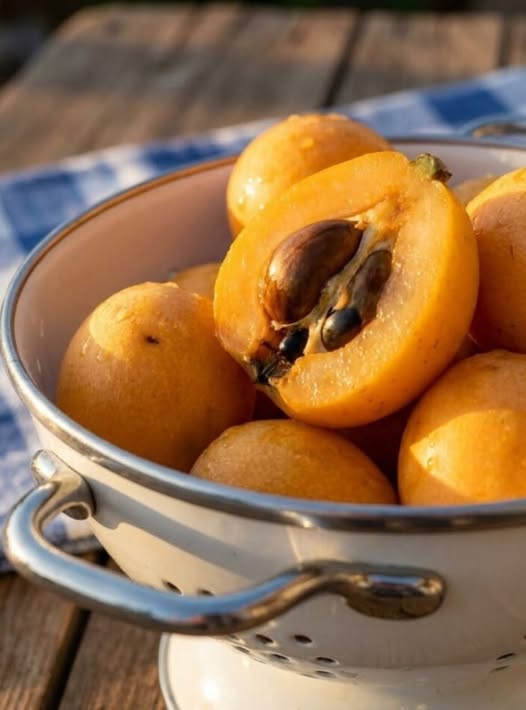
The process begins with washing and pitting fresh apricots, then chopping them into small, even pieces. Sugar is added along with a splash of lemon juice, which balances the sweetness and supports the natural setting process. After resting briefly, the mixture is cooked slowly over low heat. As the apricots soften and break down, the kitchen fills with a warm, tangy aroma—one that feels less like cooking and more like continuing a tradition.
Knowing when the jam is ready is part technique, part intuition. A small spoonful placed on a chilled plate should wrinkle slightly when nudged, signaling that it has reached the right consistency. Once transferred to clean jars and sealed, the jam becomes endlessly versatile—spread on toast, stirred into yogurt, or folded into pastries. What began as curiosity about a forgotten fruit ended in rediscovering a recipe rooted in memory. Sometimes, learning a name matters not for knowledge alone, but because it leads us back to something we’ve loved all along.