Why These Particular Foods
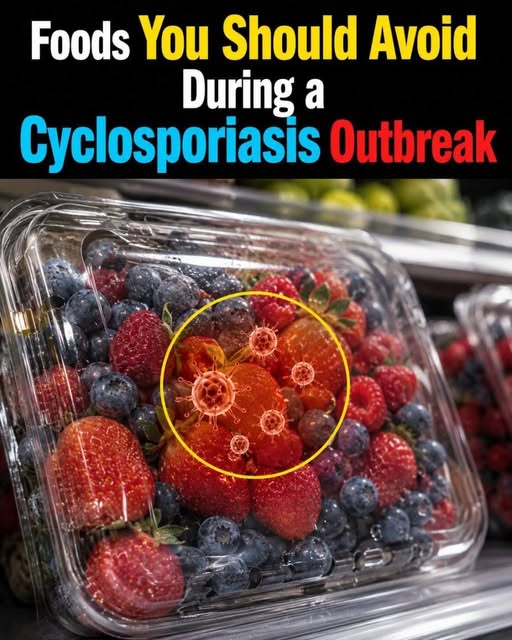
It comes down to how the parasite spreads and what makes produce hard to fully clean. Cyclospora gets onto fruits and vegetables through soil or irrigation water contaminated with human feces, and it adheres to produce surfaces unusually well for a parasite. Foods that are eaten raw, have textured or porous surfaces (like raspberries or snow peas), or come pre-cut and bagged (where contamination has more chances to spread before it reaches you) are simply harder to fully decontaminate than something you’ll peel or cook.
What’s Actually Safe to Eat
This is the part that tends to get lost in outbreak coverage: plenty of produce remains entirely fine. Cooking any fruit or vegetable to an internal temperature of 158°F destroys the parasite completely — sautéed greens, roasted root vegetables, and anything else cooked through are not a risk. Peeled fruit is also in the clear; to date, no cyclosporiasis case has ever been linked to peeled fruit or commercially frozen produce, including frozen berries and vegetables. If you’re craving fiber from produce you’d normally eat raw, cooked or peeled options like potatoes, sweet potatoes, and yams are reasonable substitutes for now.
How to Lower Your Risk With Anything You Eat Raw
If you’re not ready to give up salads and fresh berries, the CDC’s standard advice still matters: wash your hands with soap and water before and after handling produce, wash all fruits and vegetables thoroughly under running water — even if labeled pre-washed — scrub firm produce like cucumbers and melons with a clean brush, and cut away any bruised or damaged spots before eating. None of this guarantees zero risk with a parasite this persistent, but it meaningfully reduces it.
When to See a Doctor
If you develop sudden, watery diarrhea — especially if it’s unusually frequent or severe — after eating raw produce in the past one to two weeks, it’s worth contacting a healthcare provider and specifically asking for a Cyclospora stool test, since it isn’t part of routine testing and the parasite doesn’t always show up on the first sample. The illness is treatable with a course of antibiotics, though it can drag on for weeks without treatment.
Sources: CDC, Preventing Cyclosporiasis guidance; CNN, “What food is safe to eat and what to avoid as cyclosporiasis outbreak surges” (July 2026); TODAY, “As Cyclosporiasis Cases Rise, What Foods Should You Avoid Eating?” (July 2026).
To see the full cooking instructions, go to the next page or click the Open button (>) and don't forget to SHARE it with your friends on Facebook.