Short link: https://short.pageviewpro.com/4SbP59
Why Aluminum Is Often Used
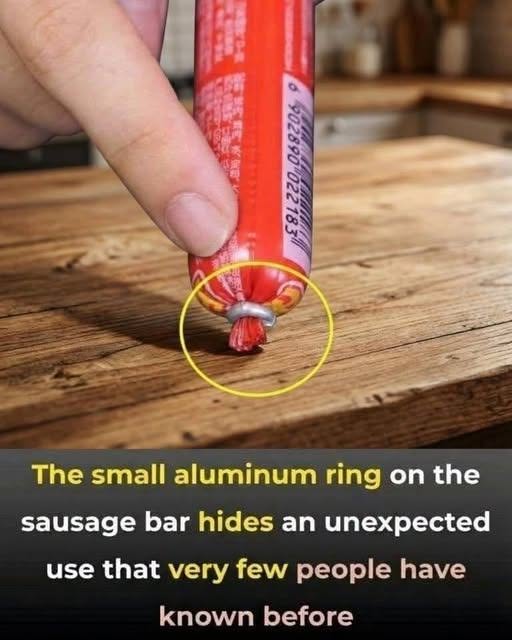
Many sausage clips are made from aluminum or other suitable metals. Aluminum is lightweight, easy to shape, and resistant to rust under ordinary conditions, making it useful for certain food-processing and packaging applications.
Its ability to be crimped tightly around a casing is especially important. Manufacturers need a closure that can be applied quickly and consistently without unnecessarily damaging the casing or interfering with the finished product.
Because sausage production often involves large quantities, even a small packaging component must be practical, dependable, and compatible with automated equipment. A clip that is easy to apply and holds securely can help reduce packaging problems during production.
The material and design may vary depending on the manufacturer, the type of sausage, and the packaging system being used. Not every sausage clip is made from aluminum, and the appearance of the ring alone does not always identify its exact material.
What Readers Should Know About the Little Ring
At home, the metal ring may seem like nothing more than a small piece of packaging that can be discarded once the sausage is opened. In most cases, that is exactly what happens after the product has been removed from its packaging.
However, it is important to handle the clip carefully. Its edges may be sharp, especially if it has been bent or cut during opening. Keep it away from children and pets, and dispose of it safely so that it cannot cause an accidental cut or injury.
The ring should never be eaten, and it should be removed from the portion being prepared or served. If it is attached to a casing that is not intended to be eaten, follow the package instructions for removing the casing before consumption.
It is also worth remembering that the clip does not tell you whether a sausage is safe to eat. Always check the product’s storage instructions, expiration or use-by information where applicable, and the condition of the packaging. Refrigerate products that require refrigeration and follow the manufacturer’s cooking and handling directions.
These precautions may seem obvious, but they are useful reminders that even ordinary food packaging deserves a little attention.
A Small Detail With a Bigger Purpose
A Small Detail With a Bigger Purpose
Food packaging often looks simple from the outside, but many of its parts are designed with specific manufacturing needs in mind. Clips, seals, labels, protective films, and casings all contribute in different ways to the packaging and handling of food products.
The small metal ring on a sausage stick is a good example of how an ordinary-looking object can have a practical role. It helps secure the casing, supports the product’s structure, and fits into a production process designed to make packaging more reliable.
Although it may not be the most noticeable part of a sausage, it is a reminder that food manufacturing depends on many small details working together. From the moment a product is filled and sealed to the time it arrives on a store shelf, each step contributes to how the finished product is handled and presented.
Conclusion
The tiny metal ring attached to a sausage stick may look unimportant, but it serves a useful purpose in food production. Primarily, it helps seal the casing securely, keeping the sausage contained and helping it maintain its shape during handling, storage, and transportation.
Depending on the product and manufacturing process, the closure may also be involved in how sausages are organized or handled during processing. Its lightweight, crimpable design makes it a practical solution for a task that needs to be performed consistently and efficiently.
So, the next time you pick up a sausage stick, take a moment to notice that little metal clip. It is not simply a random piece of metal attached to the packaging. It is a small part of a much larger process that helps bring everyday food products from the factory to your table.
Sometimes, the smallest details reveal the most interesting things about the products we use and eat every day.