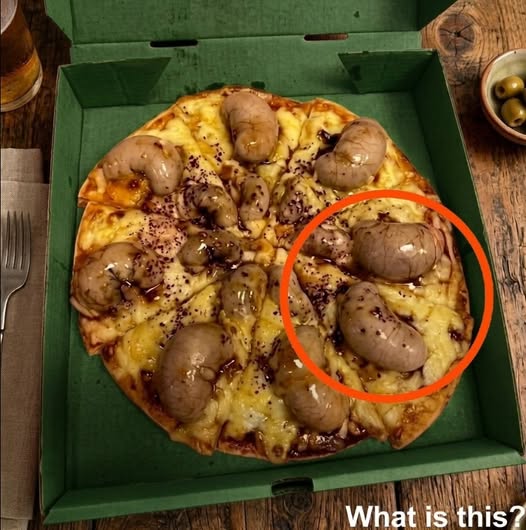
So I did what most people do these days: I paused, stared a little longer, and then went down a rabbit hole to figure out what those bubbles actually were.
The Initial Panic: When Food Looks “Wrong”
We rely heavily on visual cues when it comes to food. Golden brown means delicious. Burnt means bitter. Mold means danger. But what about something that doesn’t clearly fit into any of those categories?
That’s where the uncertainty creeps in.
At first glance, the bubbles on my pizza didn’t match my mental image of what a “normal” pizza should look like. They weren’t evenly distributed, and they didn’t resemble the small charred blisters you might see on a wood-fired crust. Instead, they looked inflated—almost like tiny balloons under the cheese.
Naturally, my brain started throwing out theories:
Air pockets trapped during baking?
Something wrong with the cheese?
A sign of spoilage?
It didn’t help that the internet is full of alarming possibilities when it comes to food safety. But as it turns out, the explanation is far less dramatic—and far more interesting.
The Science Behind the Bubbles
Those strange bubbles are usually the result of a combination of heat, moisture, and the composition of the ingredients—particularly the cheese.
Most commonly, what you’re seeing are pockets of steam and fat forming beneath the surface as the pizza bakes.
Here’s how it happens:
When pizza is exposed to high heat, several things occur simultaneously. The water content in the dough, sauce, and cheese begins to evaporate, creating steam. At the same time, fats in the cheese start to melt and separate. If the surface layer of cheese melts quickly and forms a kind of seal, that steam can get trapped underneath.
The result? A bubble.
These bubbles can vary in size depending on factors like oven temperature, baking time, and how evenly the ingredients are distributed. In high-heat environments—like pizza ovens or very hot home ovens—this effect becomes even more pronounced.
Why Some Pizzas Bubble More Than Others
Not all pizzas behave the same way, and that’s part of what makes this phenomenon so noticeable when it does happen.
Several variables influence bubble formation:
1. Cheese Type
Different cheeses melt differently. Mozzarella, for example, is known for its smooth melt and stretch, but it can also create surface tension that traps steam. Lower-moisture mozzarella tends to bubble less than fresh mozzarella, which contains more water.
Processed cheeses or blends may behave differently still, sometimes producing more uniform melting and fewer large bubbles.
2. Moisture Content
If your sauce is particularly watery or your toppings release a lot of liquid (think mushrooms or fresh tomatoes), that extra moisture has to go somewhere. As it heats up, it turns into steam—and steam needs an escape route.
If it can’t escape easily, it forms bubbles.
3. Oven Temperature
Higher temperatures accelerate everything: melting, evaporation, and steam formation. That’s why pizzas baked at very high heat—like those in traditional pizza ovens—often develop dramatic bubbling and blistering.
4. Assembly Technique
Even the way a pizza is assembled can play a role. If cheese is layered thickly or unevenly, it can create pockets where steam is more likely to get trapped. Similarly, if the dough has uneven thickness, certain areas may heat differently.
Are These Bubbles Safe?
This is the question that matters most when you’re staring at a pizza that looks slightly suspicious.
The short answer: yes, in most cases, these bubbles are completely safe.
They are a natural byproduct of the cooking process, not a sign of contamination or spoilage. As long as your ingredients were fresh and properly stored before cooking, and the pizza was baked thoroughly, there’s no reason to worry.
In fact, some pizza enthusiasts actually seek out these bubbles. In certain styles of pizza, blistering and bubbling are considered signs of a well-executed bake.
When Should You Be Concerned?
While bubbles themselves are usually harmless, there are a few situations where unusual appearance might warrant a closer look.
If the bubbles are accompanied by:
An off or sour smell
Discoloration that doesn’t resemble normal browning
A slimy or unusual texture after cooling
…then it’s worth being cautious. These could indicate issues with the ingredients rather than the cooking process.
But on their own, bubbles—no matter how strange they look—are rarely a red flag.
The Psychology of Food Expectations
What fascinated me most about this experience wasn’t just the science—it was my reaction.
Why did something so normal trigger such immediate doubt?
The answer lies in how we’re conditioned to expect food to look a certain way. Over time, we build mental templates based on past experiences, advertising, and even social media. When something deviates from that template, it creates a sense of unease.