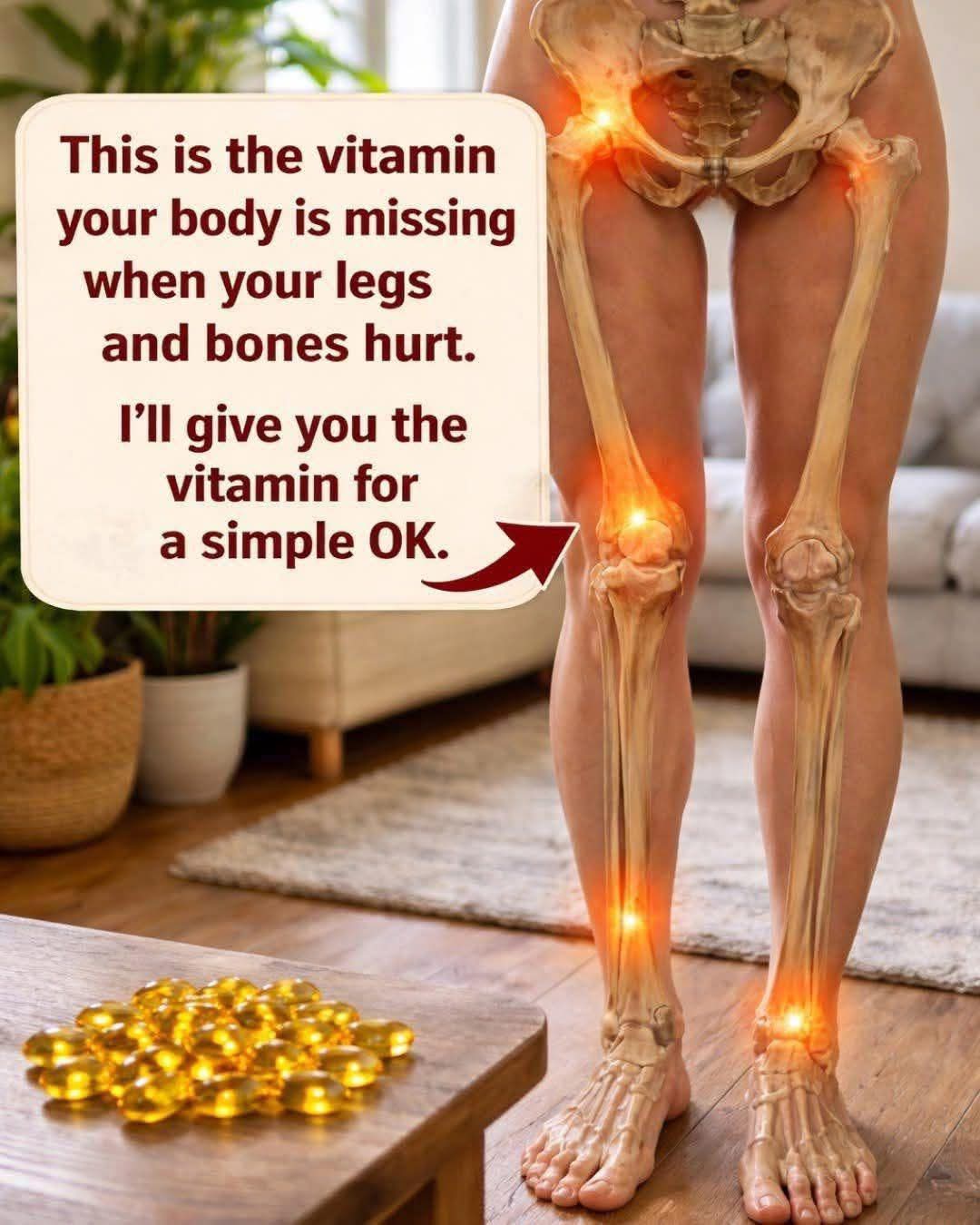
In addition to bone pain, vitamin D deficiency can also affect muscle strength. Weak muscles can put extra strain on your bones and joints, leading to discomfort in areas like the knees, hips, and lower legs. Some people even experience frequent cramps or a heavy, tired feeling in their legs.
There are several reasons why people may develop low levels of vitamin D. One of the most common causes is insufficient sunlight exposure. People who spend most of their time indoors, live in colder climates, or use heavy sunscreen regularly may not produce enough vitamin D naturally. Skin tone also plays a role, as individuals with darker skin require more sunlight to produce adequate levels
Diet is another important factor. While some foods contain vitamin D, it is not naturally abundant in many diets. Fatty fish such as salmon, mackerel, and sardines are excellent sources. Egg yolks, fortified dairy products, and certain mushrooms can also help increase your intake. However, it can still be difficult to meet your daily needs through food alone.
Age can also influence vitamin D levels. As people get older, their skin becomes less efficient at producing vitamin D from sunlight. This makes older adults more vulnerable to deficiency and its related symptoms, including bone pain and an increased risk of fractures.
If you suspect that your leg or bone pain may be related to a vitamin deficiency, it is important to consult a healthcare professional. A simple blood test can determine your vitamin D levels and help guide appropriate treatment. In many cases, supplementation is recommended to restore healthy levels.
Vitamin D supplements are widely available and can be very effective when taken correctly. The dosage varies depending on your individual needs, so it is best to follow medical advice rather than self-prescribing. Taking too much vitamin D can also cause health issues, so balance is key.
In addition to supplements, increasing your exposure to natural sunlight can make a significant difference. Spending 10 to 30 minutes in the sun several times a week, depending on your skin type and location, can help your body produce more vitamin D naturally. Combining this with a balanced diet rich in calcium and other nutrients will further support bone health.
Maintaining healthy bones and reducing leg pain is not just about one vitamin, but vitamin D plays a central role. Ignoring its importance can lead to long-term discomfort and more serious health conditions. By recognizing the signs of deficiency early and taking simple steps to address it, you can improve your overall well-being and reduce pain effectively.
Taking care of your body starts with understanding what it needs. If your legs and bones are hurting, it might not just be fatigue—it could be your body asking for the support of an essential nutrient like vitamin D.
CategoriesUncategorized
Cheesy Garlic Stuffed Chicken Bites – Irresistibly Creamy and Flavorful
Prickly Pear Cactus Juice: Benefits, Risks, and the Truth Behind the Claims